
The Woman Behind the Prophecies.
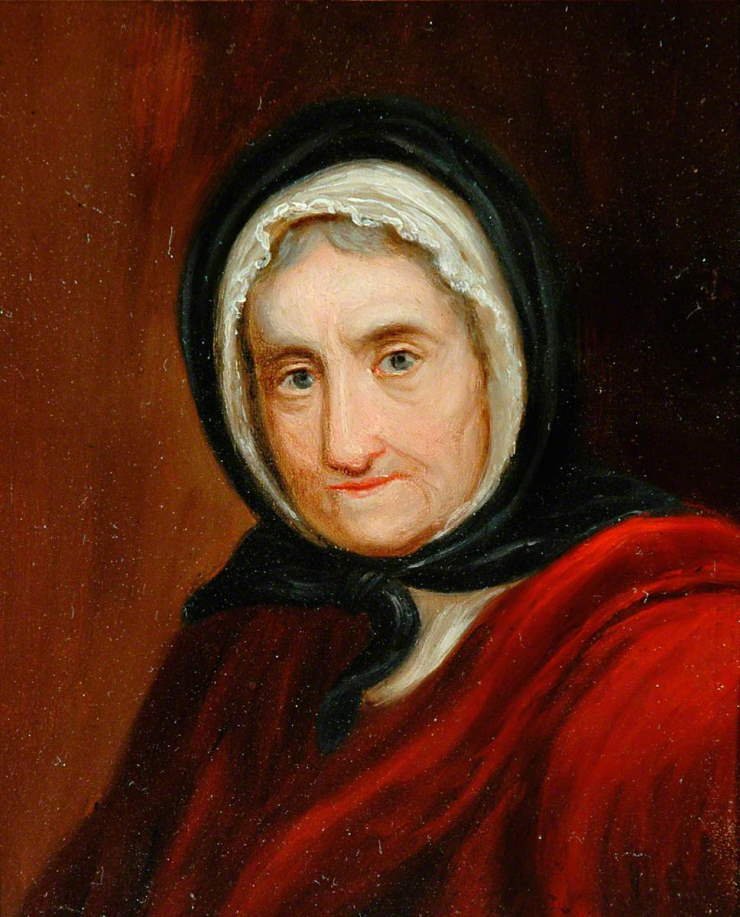
Mother Shipton, born Ursula Southeil in the late 15th century, remains one of England’s most enduring and mysterious prophetic figures. Associated with the town of Knaresborough in North Yorkshire, her life is woven from a mix of history, folklore, and legend that continues to capture the imagination centuries later.
According to tradition, Ursula was born in 1488 in a cave near the River Nidd during a violent storm. Her mother, a young woman named Agatha, was said to have lived in difficult circumstances, and from the beginning Ursula’s life carried an air of mystery. As she grew, she became known for her unusual appearance and solitary nature, often living on the edges of society. Over time, however, her knowledge of herbs, remedies, and intuitive insight began to draw attention.
Mother Shipton gained a reputation as a soothsayer, offering predictions and guidance to those who sought her out. During her lifetime, she was believed to have foretold several significant events, including the Spanish Armada and the Great Fire of London. Whether these predictions were genuinely made in advance or attributed to her later is still debated, but her reputation as a prophetess spread widely across England.
Many of her prophecies were said to be delivered in rhyming verse, often cryptic and open to interpretation. Some focused on local happenings, while others spoke of national upheaval, disaster, and change. These writings were not formally published until decades after her death in 1561, which has led historians to question how much of her legacy is based on fact and how much has been shaped by later storytellers.
Despite this uncertainty, Mother Shipton’s influence endured. By the 17th and 18th centuries, her name had become synonymous with prophecy and foresight. Collections of her supposed predictions circulated widely, often expanding over time as new events were retroactively linked to her words. This blending of truth and myth only added to her mystique.
Her former home, now known as Mother Shipton’s Cave, became one of England’s earliest tourist attractions. Visitors were drawn not only to the story of the woman herself but also to the nearby Petrifying Well, where objects appear to turn to stone due to the mineral-rich water. The site remains a place of curiosity and intrigue to this day.
Ultimately, Mother Shipton represents more than just a historical figure. She embodies the human fascination with prophecy, intuition, and the unknown. Whether viewed as a real seer, a misunderstood woman, or a legend shaped by centuries of storytelling, her legacy continues to spark wonder.
Her story invites us to reflect on the power of belief, the allure of the future, and the timeless desire to seek meaning in the world around us.
Image Credit: HistoricUK.com